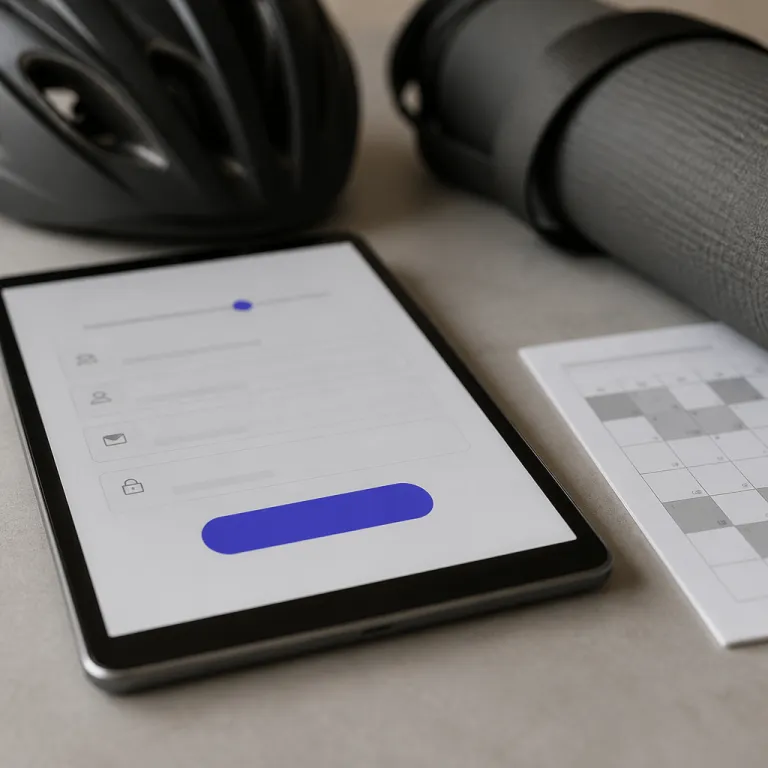
Why signup form choices matter for work life balance
A well designed signup form for job seekers and employers quietly shapes daily work life. When a job application form respects boundaries, it filters for employment cultures that value balance and realistic workloads. Poorly built online applications, by contrast, push candidates toward jobs that reward constant availability and erode personal time.
Every digital job application you complete is a signal about how you expect to work and live, and every employer form template reflects how that organisation manages its hiring process and long term workload expectations. If a registration page demands late night responses, endless work history details and intrusive questions, it often predicts a work environment where burnout is normal rather than an exception. Choosing where to register and which job postings to pursue therefore becomes a practical work search strategy for protecting your mental health and family life.
Thoughtful candidates now evaluate the structure of forms and job applications as carefully as they evaluate salary or full time versus part time status. They look at whether the employment application is mobile friendly, whether the online form can be saved and resumed, and whether the employer clearly states flexible work policies before you even start the job application. This shift turns the simple signup experience into a first line of defence for sustainable work life balance.
Designing signup forms that respect time, energy and privacy
When you create any job application form, you are also designing how much time and emotional energy candidates must spend before they can even talk to a human being. A respectful registration form asks only for the information needed at that stage, such as name, email address, core work experience and a short resume, instead of demanding full background checks upfront. This lighter approach helps job seekers maintain balance while they manage multiple jobs and applications in parallel.
Employers that use short, staged application forms usually see higher quality candidates and a smoother hiring process, because people are not exhausted before the first interview. A simple form template that lets candidates register quickly, upload a resume, and then complete additional questions only if shortlisted, reduces stress and supports healthier work search habits. It also signals that the employment culture understands boundaries, which is reinforced when the organisation clearly states working hours, remote work options and overtime policies, sometimes even linking to internal policies shaped by workers compensation risk classifications and healthy work life balance, as explained in the referenced analysis of how risk classifications influence balance.
From the employer side, a well structured employment application form online can still gather all necessary data without overwhelming candidates. Break long application forms into short steps, use progress bars, and allow people to save the form and return later, which is essential for those balancing caregiving, current work and an active job search. When you create job postings, always align the complexity of the signup process with the seniority of the role, so that a basic customer service job does not require the same exhaustive forms as a senior leadership position.
Support networks built into signup forms for stressed job seekers
Many job seekers carry heavy emotional loads while they complete each job application form, especially if they are unemployed, underemployed or juggling family responsibilities. A humane registration page can embed support networks directly into the process, for example by linking to mental health services, financial counselling or community employment services. This transforms a simple form into a gateway for broader work life balance resources.
Forward looking employers now add optional checkboxes in their application forms that allow candidates to request reasonable adjustments, flexible hours or access to employee assistance programmes without stigma. When a job seeker sees these options during the work search, they understand that the organisation recognises real life constraints and will not penalise them for caregiving duties or health conditions. Some companies even include short guidance text in the form template, explaining that requesting flexibility will not affect how applications are evaluated, which builds trust and encourages honest communication about work experience gaps.
Support networks can also be reinforced after candidates register through the signup form. Automated messages that send clear timelines, realistic expectations about the hiring process and links to thoughtful employee spotlight questions that strengthen work life balance, such as those discussed in the guide to meaningful employee questions, help candidates feel respected rather than left in silence. When employers treat every job application as a human story instead of just another entry in a resume search database, they contribute to healthier professional ecosystems where both candidates and hiring teams can thrive.
Balancing automation, resume search and human contact
Automation in the hiring process can either support or sabotage work life balance for both job seekers and recruiters. A signup form that feeds directly into resume search tools and applicant tracking systems can reduce repetitive work, but only if the application fields are designed with clarity and fairness. When forms rely on vague keyword matching, qualified candidates with non linear work experience are often filtered out, forcing them to submit more job applications and spend longer hours on work search activities.
Recruiters also face balance challenges when they manage hundreds of jobs and job postings through multiple online job platforms. Well structured application forms and a consistent form template across roles reduce cognitive load, allowing hiring teams to focus on meaningful conversations instead of manual data cleaning. This is where a carefully planned employment application process, supported by clear templates and limited mandatory fields, can protect recruiter wellbeing while still giving employers the data they need to create job offers that match reality.
Human contact remains essential, even in highly automated systems that use online forms and email address based notifications. After candidates register, a short personalised message that explains the next steps and realistic timelines can dramatically reduce anxiety. Organisations that combine efficient resume search technology with respectful communication and transparent job posting details tend to attract job seekers who value balance, which in turn stabilises teams and reduces turnover.
How signup forms shape long term employment relationships
The first employment application form a candidate completes often predicts how that relationship will feel months after hiring. When the initial signup experience is rushed, confusing or disrespectful, it usually reflects deeper organisational issues around workload, communication and boundaries. Conversely, a clear, concise job application that respects time and privacy signals a culture that understands sustainable performance.
Job seekers should treat every online job form as a diagnostic tool for future work life balance. If the application demands constant availability, such as requiring candidates to respond to tests within a few hours or to attend interviews outside normal working times, that pattern often continues after the job starts. Pay attention to whether the form template explains working hours, remote policies and expectations for full time or part time roles, because these details reveal how the organisation views personal time.
Employers can also use the signup form to set healthy norms from the outset. For example, they can state in the job posting that emails will send only during standard office hours, or that candidates are not expected to reply to any email address outside those times. By aligning the employment application process with realistic workloads and clear communication, organisations create job environments where people can plan their lives, maintain relationships and sustain high quality work over the long term.
Practical checklist for evaluating signup forms as a job seeker
Every time you face a new signup form for a job application, use a simple checklist to protect your balance. First, assess how long the job application form will take, based on the number of sections, required fields and whether the form online allows saving progress. If the application looks excessively detailed for an entry level job, consider whether that signals unrealistic expectations about future workloads.
Next, examine how the employment application handles your data, especially your email address, phone number and detailed work experience. Look for clear statements about how employers will use your information, whether they will send marketing messages, and how long they will store your applications in resume search databases. A transparent form template that explains these points shows respect for your privacy and time, while vague or missing explanations suggest a more transactional approach to candidates.
Finally, pay attention to how the organisation communicates after you register. Do you receive a clear confirmation that your job application was received, with realistic timelines for the hiring process and any next steps for the job posting you selected? When employers treat every job seeker as a partner rather than a number in a stack of job applications, they create job environments where work and life can coexist without constant conflict, which benefits both candidates and long term organisational health.
Key statistics on signup forms, hiring and work life balance
- According to a survey by CareerBuilder (2016), nearly 60% of job seekers abandon online job applications that are too long or complex, which shows how poorly designed forms directly increase stress and time pressure during work search periods. CareerBuilder’s published summary of the study notes that candidates are far more likely to complete applications that take 15 minutes or less.
- Research from the Society for Human Resource Management (SHRM, 2017) found that organisations with streamlined application forms and clear hiring process communication are significantly more likely to report higher employee engagement scores, a factor closely linked to healthier work life balance. SHRM’s talent acquisition reports highlight that simplified workflows correlate with better candidate and employee perceptions of fairness.
- Data from Glassdoor (2019) indicates that candidates who experience transparent communication about timelines after submitting a job application are more than twice as likely to accept an offer, suggesting that respectful signup processes improve both hiring outcomes and long term employment relationships. Glassdoor’s recruiting benchmarks emphasise that clarity around next steps is a major driver of candidate satisfaction.
- A LinkedIn Talent Solutions report (2021) showed that companies offering flexible work options in their job postings receive substantially more applications per job, which means that clearly signalling balance friendly policies in forms and templates is a practical way to attract qualified candidates. LinkedIn’s analysis of InMail and job posting performance also notes that explicit flexibility language improves response rates.
FAQ about signup forms, job search and work life balance
How can I tell if a signup form respects my work life balance ?
Look for concise questions, the ability to save the form online, clear privacy information and realistic time expectations for completing the job application. If the signup flow demands excessive detail for a simple role or pressures you to respond immediately, it may reflect a culture that undervalues boundaries. Respectful forms usually explain working hours, flexibility and communication norms before you submit your application.
What information should I prioritise when completing an employment application ?
Focus on accurate contact details, especially your email address, and a clear summary of your most relevant work experience for the specific job posting. Tailor your resume and any application forms to highlight achievements that match the role, rather than copying the same template everywhere. This targeted approach reduces the number of job applications you need to submit and supports a more balanced work search process.
Are long online job applications always a red flag for balance ?
Length alone is not the only issue, because senior or highly regulated roles sometimes require detailed employment application forms for legal reasons. The real signal is whether the signup process explains why certain information is needed and allows reasonable time to complete it. If a complex job application comes with clear guidance, staged steps and respectful communication, it can still align with healthy work life balance.
How can employers design forms that attract balance focused candidates ?
Employers should create job postings that clearly state working hours, flexibility options and support resources, then align the application form with those promises. Use a simple form template for initial registration, request only essential data, and communicate timelines transparently after candidates submit their applications. This approach signals respect, reduces stress for both job seekers and hiring teams, and leads to more sustainable employment relationships.
What role do automated emails play in candidate wellbeing ?
Automated messages that will send timely confirmations, status updates and realistic timelines after each job application reduce uncertainty and anxiety for candidates. When these emails come from a clear email address, avoid late night timestamps and set expectations about response times, they support healthier work search routines. Integrated thoughtfully into the signup journey, automation becomes a tool for trust rather than pressure.
