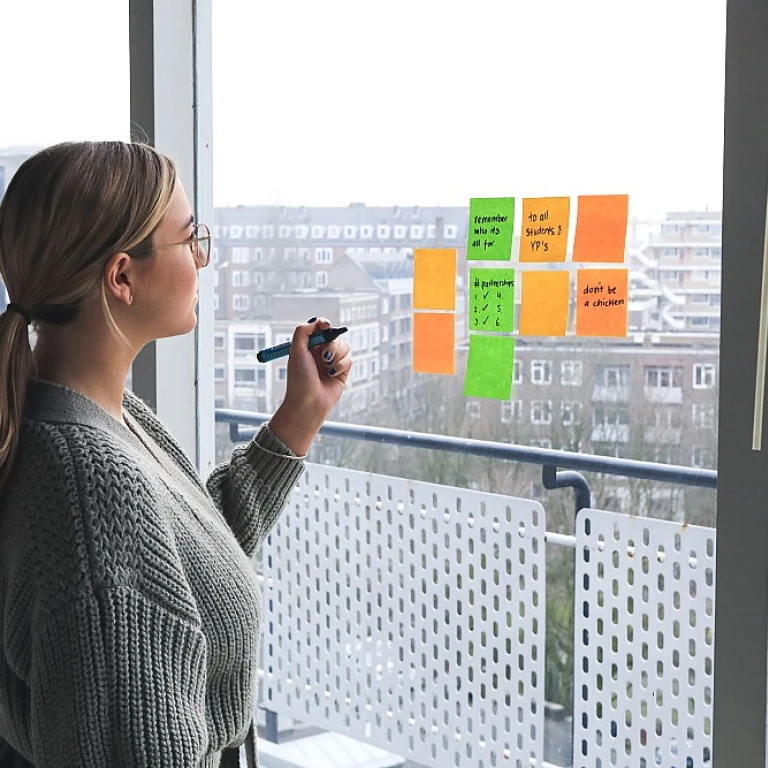
Understanding the unique pressures on hr leaders
Why HR Leaders Face Distinct Work-Life Balance Challenges
For HR leaders, the responsibility of supporting employees while managing organizational goals creates a unique set of pressures. Balancing work and personal life is not just a personal goal—it’s a professional necessity. The role demands constant attention to employee well-being, workplace culture, and compliance, often leaving little time for personal lives or self-care. This can make it difficult to maintain a healthy work environment and support the mental health of both employees and the HR team itself.
Unlike other roles, HR leaders are often the first point of contact for workplace issues, from employee mental health concerns to requests for flexible work arrangements. This people-centric focus means HR professionals are always “on,” which can blur the lines between work and personal life. The expectation to be available for team members, provide support, and model positive behavior can lead to longer hours and increased stress, especially in remote work or hybrid work settings.
- Managing employee well-being and company policies simultaneously
- Supporting team members through personal and professional challenges
- Balancing confidential employee issues with organizational transparency
- Adapting to evolving work arrangements, such as remote work and flexible work schedules
These pressures can impact not only the HR leader’s own work-life balance but also the overall health of the team and the workplace culture. When HR leaders struggle to manage work and personal boundaries, it can affect how employees feel supported and valued within the company. Recognizing these unique challenges is the first step toward building a better work environment and fostering a culture where everyone, including HR, can thrive.
For more insights on how family and workplace dynamics intersect, explore this resource on achieving harmony between family and work life balance.
Recognizing signs of imbalance early
Spotting Early Warning Signs in HR Roles
Human resources leaders often carry a unique set of responsibilities that can blur the line between work and personal life. The constant demand to support employees, manage workplace culture, and maintain a healthy work environment can make it difficult to recognize when balance starts to slip. Early detection of imbalance is crucial for maintaining both mental health and overall well-being.
- Physical and mental fatigue: Persistent tiredness, headaches, or trouble concentrating can signal that work is taking over personal time.
- Emotional exhaustion: Feeling overwhelmed, irritable, or detached from the team may indicate that stress is mounting.
- Declining engagement: A drop in enthusiasm for supporting employees or leading initiatives can be a sign that balance is off.
- Neglecting personal lives: Missing out on important moments with family or friends, or sacrificing hobbies, often points to an unhealthy work-life balance.
HR leaders are not immune to the pressures of managing work and life. In fact, the people-centric nature of the role can make it harder to step back and assess personal needs. Regular self-checks and open conversations with team members about workload and well-being can help prevent burnout before it takes hold.
Organizations that prioritize employee well-being and flexible work arrangements create a culture where leaders and employees feel supported. Recognizing these early signs and taking action is a key step toward better work-life integration and a healthier workplace. For global perspectives on how different countries foster a positive work-life balance culture, you can explore the best countries to work in for work-life balance.
Setting boundaries in a people-centric role
Practical Strategies for Setting Boundaries in HR
Balancing work and personal life is especially challenging for HR leaders. The nature of the role often blurs the lines between professional responsibilities and personal well-being. Because HR professionals are expected to support employees and foster a healthy work environment, it’s easy to let boundaries slip. However, clear boundaries are essential for maintaining mental health and ensuring long-term effectiveness.- Communicate your availability: Let your team and employees know your working hours. This helps manage expectations and gives you protected time for your personal life.
- Embrace flexible work arrangements: If your company offers remote work or flexible schedules, use these options to better manage work and personal commitments. For those facing challenges with remote work accommodations, this resource on navigating denied remote work requests can provide support and guidance.
- Prioritize time management: Use tools and techniques to organize your day. Block out time for focused work, meetings, and breaks. This helps prevent work from spilling into your personal life and supports better work-life balance.
- Set clear expectations with employees: Make it clear when you are available for support and when you are off-duty. This not only helps you manage work but also encourages employees to respect their own boundaries.
- Delegate and trust your team: Empower team members to handle tasks independently. This reduces your workload and helps build a supportive team culture where everyone feels valued.
Leveraging technology for smarter work-life integration
Smart Tools for a Healthier Work Environment
HR leaders often juggle multiple responsibilities, making it challenging to maintain a healthy work-life balance. The right technology can help manage work demands while supporting employee well-being and mental health. By integrating smart tools, leaders can create a more flexible work environment that benefits both the team and the company.
- Time management platforms: These tools help leaders and team members track tasks, set priorities, and allocate time efficiently. With better visibility, employees feel more in control of their workload and personal lives.
- Remote work solutions: Flexible work arrangements, supported by secure communication and collaboration platforms, enable employees to balance work and personal life. This flexibility can improve mental health and overall job satisfaction.
- Wellness apps: Encouraging the use of mental health and wellness apps can support employee well-being. These resources offer stress management, mindfulness, and health tracking, helping people feel supported in their work and personal lives.
- Automated HR systems: Automating repetitive tasks frees up time for leaders to focus on supporting their team and building a positive workplace culture. This shift allows for more meaningful interactions and better work-life integration.
When leaders leverage technology thoughtfully, they not only manage work more effectively but also set an example for their team. This approach helps employees feel valued and supported, contributing to a healthier work environment and a stronger company culture. Ultimately, using the right tools can make it easier for everyone to achieve a better work-life balance and maintain their mental health.
Building a supportive HR team culture
Creating a Culture of Support and Trust
For HR leaders, fostering a supportive team culture is essential for achieving a healthy work-life balance. When the workplace encourages open communication and mutual respect, employees feel more comfortable discussing their needs and challenges. This helps everyone manage work and personal life demands more effectively, reducing stress and improving mental health across the team.
- Encourage open dialogue: Regular check-ins and feedback sessions give team members a safe space to share concerns about workload, time management, or personal lives. This transparency helps leaders spot early signs of burnout and offer support before issues escalate.
- Promote flexible work arrangements: Whether it’s remote work options, flexible hours, or job sharing, giving employees more control over their schedules can lead to better work and life balance. Flexibility shows that the company values employee well-being and trusts them to manage their responsibilities.
- Recognize and celebrate achievements: Acknowledging both professional and personal milestones helps employees feel valued. This recognition can boost morale and reinforce a positive work environment where people want to contribute their best.
- Offer mental health resources: Providing access to counseling, stress management workshops, or wellness programs signals that employee health is a priority. These resources support not just work performance but also personal growth and resilience.
Building a culture where support is the norm, not the exception, empowers HR teams to balance work and personal life demands. It also sets the tone for the entire company, showing that healthy work environments are possible when leaders prioritize employee well-being. When team members feel supported, they are more likely to thrive both at work and in their personal lives, contributing to a more resilient and engaged workplace overall.
Leading by example to inspire organizational change
Modeling Healthy Work-Life Practices
Leaders in HR have a unique opportunity to shape the workplace culture by demonstrating a real commitment to work-life balance. When leaders openly prioritize their own health, mental well-being, and personal lives, it sends a strong message to employees that balance is not just encouraged, but expected. This approach helps employees feel supported and more comfortable managing their own work and personal responsibilities.Encouraging Open Conversations
Creating an environment where team members can talk about their work-life challenges is essential. When leaders share their own experiences with time management or remote work, it breaks down barriers and normalizes the conversation around balance. This openness can help employees feel less isolated and more willing to seek support when needed.Promoting Flexible Work Arrangements
Leaders who advocate for flexible work options, such as remote work or adjusted hours, demonstrate trust in their teams. This flexibility allows employees to better manage work and personal commitments, which can lead to improved mental health and a more positive work environment. When leaders use these arrangements themselves, it reinforces their value and encourages others to do the same.- Encourage regular breaks and time off to recharge
- Respect boundaries outside of work hours
- Support team members in setting realistic goals
Fostering a Culture of Support
A supportive HR team culture starts with leaders who genuinely care about employee well-being. By checking in regularly with team members and offering help when workloads become overwhelming, leaders can prevent burnout and promote a healthier balance. This proactive approach helps employees feel valued and increases overall job satisfaction.Continuous Improvement and Feedback
Leaders should regularly seek feedback from employees about what is working well and where improvements can be made. This ongoing dialogue ensures that the company’s approach to work-life balance evolves to meet the changing needs of the team. It also shows that leaders are committed to creating a better work environment for everyone.| Leadership Action | Impact on Work-Life Balance |
|---|---|
| Modeling healthy boundaries | Encourages employees to set their own limits |
| Promoting flexible work | Supports diverse personal lives and needs |
| Regular check-ins | Helps identify and address balance issues early |
