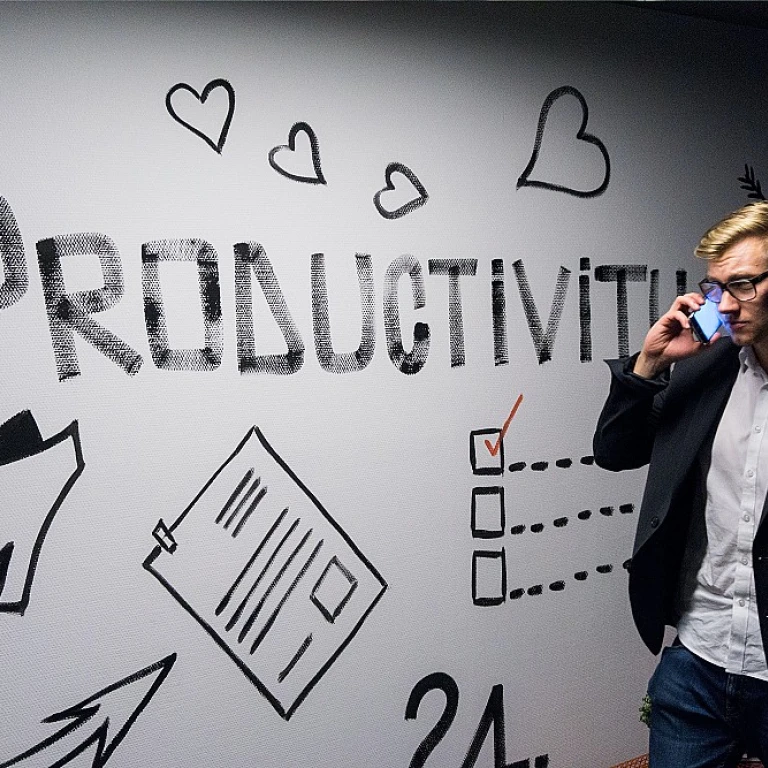
Understanding the concept of healthy challenge
Why Work-Life Balance Feels Like a Challenge
For many people, the idea of work-life balance is more than just a buzzword. It’s a healthy challenge that calls for daily attention, especially in a fast-paced city or demanding work environment. The challenge will look different for everyone, but the core remains the same: finding a sustainable way to support both your career and your wellness. This isn’t about perfection. It’s about making small, healthy choices each day that add up to a quality life.
What Makes a Challenge Healthy?
A healthy challenge is one that pushes you to grow without overwhelming your mental health or physical well-being. It’s about setting goals that are realistic for your lifestyle, whether that means drinking more water, adding physical activity to your week, or simply carving out time for rest. Healthy challenges help you build habits that support your heart health, fitness, and overall wellness. They’re not about competition, but about progress—earning points in your own wellness program, so to speak.
How Daily Habits Shape Your Balance
Every day will bring its own set of challenges, from work deadlines to family responsibilities. The key is to develop daily habits that support your health and well-being. This could mean joining a community wellness challenge, participating in strength training, or just taking a few minutes for mindfulness. Over time, these habits become the foundation of a healthy lifestyle, helping you manage stress and improve your quality of life.
Understanding the healthy challenge of work-life balance also means recognizing when things are out of sync. If you’re feeling overwhelmed or notice your mental health slipping, it’s important to seek support. For more on how stress can impact your well-being, check out this resource on understanding depression due to stress.
Identifying your personal balance points
Finding Your Unique Balance in Daily Life
Everyone’s work-life balance looks a bit different. Some people thrive on a packed schedule in a busy city, while others need quiet time and space for wellness. The key is to identify your personal balance points—those moments and habits that help you feel healthy, energized, and fulfilled both at work and at home.
- Reflect on your week: Track how you spend your time each day. Notice when you feel most productive, and when you need a break for your mental health or physical activity.
- Assess your daily habits: Are you drinking enough water? Do you make time for fitness or strength training? Small changes, like adding a wellness challenge or a few minutes of movement, can make a big difference in your quality of life.
- Listen to your body and mind: Pay attention to signs of stress or fatigue. These are signals that your balance points may need adjusting for better heart health and overall wellness.
- Consider your environment: Employees in a supportive community or wellness program often find it easier to maintain healthy habits. If your workplace offers a wellness program, take advantage of it to earn points and stay motivated.
Remember, the challenge will be ongoing as your life and responsibilities change. A healthy challenge is not about perfection, but about making steady progress toward a healthy lifestyle. For more on the science behind mental health challenges and how stress can impact your wellness, check out this resource on understanding how stress leads to depression.
Identifying your balance points is a crucial step before setting realistic and motivating goals. It’s about tuning in to what makes you feel well, both physically and mentally, so you can build a sustainable, healthy living routine.
Setting realistic and motivating goals
Turning Ambitions Into Actionable Steps
Setting goals for work-life balance is not just about making a list of things you wish you could do. It’s about creating a healthy challenge that motivates you to take daily steps toward a better quality life. The process should feel encouraging, not overwhelming. Start by reflecting on your current habits and the balance points you identified earlier. What changes would truly support your health, wellness, and happiness?
- Be realistic: Choose goals that fit your lifestyle and daily routine. If you work in a busy city, maybe your challenge will be to walk or bike to work a few days a week.
- Make it motivating: Tie your goals to something meaningful. For example, improving your heart health or spending more time with family can be powerful motivators.
- Break it down: Instead of aiming for a complete lifestyle overhaul, focus on small, daily habits. Drinking more water, adding physical activity, or practicing strength training a few times a week are all manageable steps.
- Track your progress: Use a simple points system or join a wellness program to earn points for each healthy habit you complete. This can help you stay engaged and see your growth over time.
Many people find it helpful to join a community or workplace wellness challenge. Employees often will receive support, encouragement, and sometimes even a grand prize for their efforts. These programs can make the journey more enjoyable and help you stay accountable.
Remember, the goal is not perfection but progress. Each day will bring new challenges, but with the right mindset and structure, you can build a healthy lifestyle that supports both your mental health and your career. For more on how stress can impact your journey, check out this resource on how stress leads to depression, its causes, symptoms, and solutions.
Overcoming common obstacles
Common Roadblocks on the Path to Balance
Finding a healthy work-life balance is a challenge that many people face, especially in fast-paced city environments or demanding jobs. Even with a strong will and a clear understanding of your personal balance points, obstacles can appear daily. Recognizing these challenges is the first step to overcoming them and maintaining a healthy lifestyle.
- Time constraints: Busy schedules often leave little room for physical activity, healthy habits, or quality time with family and friends. Employees may feel pressure to prioritize work over wellness, leading to skipped meals, reduced water intake, or neglected fitness routines.
- Lack of motivation: Some days, the will to stick to a wellness program or daily habits can fade, especially after a long week. Without a clear reason or reward, it’s easy to lose sight of the bigger picture of health and wellness.
- Unrealistic expectations: Setting goals that are too ambitious can make the challenge feel overwhelming. When people expect rapid results, they may become discouraged if progress is slow, impacting both mental health and heart health.
- Limited support: Without a supportive community or workplace wellness challenge, it’s harder to stay accountable. Many employees benefit from programs where they can earn points, receive encouragement, or even compete for a grand prize to keep motivation high.
- Environmental factors: Living in a city with limited access to green spaces or healthy food options can make it difficult to maintain a healthy lifestyle. Daily routines may not naturally include opportunities for strength training or other forms of physical activity.
Strategies to Tackle These Obstacles
Overcoming these challenges requires practical solutions and a willingness to adapt. Here are some approaches that can help:
- Break large goals into smaller, manageable steps—focus on one healthy habit at a time, like drinking more water each day or adding a short walk to your routine.
- Join a wellness program or community challenge. Many organizations offer programs where employees will receive support, track their progress, and earn points for healthy living activities.
- Schedule time for wellness just as you would for meetings or appointments. Treating physical activity and self-care as non-negotiable parts of your day will help build lasting habits.
- Celebrate small wins. Each challenge day you complete, every healthy meal, or new fitness activity adds up to better health and improved quality of life.
Remember, overcoming obstacles is part of the healthy challenge. With the right habits and support, you can make steady progress toward a balanced, fulfilling lifestyle.
Building supportive habits and routines
Making Healthy Habits Stick in Your Daily Life
Building supportive habits and routines is where the real challenge of work-life balance becomes a healthy, ongoing journey. After identifying your personal balance points and setting motivating goals, the next step is to make these changes part of your daily routine. This is not about perfection. It’s about finding what works for you and your lifestyle, and making small, sustainable adjustments that add up over time.
- Start with one habit at a time. Trying to overhaul your entire routine in a single week can be overwhelming. Focus on one healthy habit, like drinking more water or adding a short walk to your day, and let it become part of your daily rhythm.
- Connect habits to existing routines. Pairing a new habit with something you already do—like stretching while your coffee brews—makes it easier to remember and stick with.
- Track your progress. Many people find it motivating to see their progress. Whether you use a wellness program app, a journal, or a simple checklist, tracking daily habits like physical activity, water intake, or strength training can help you earn points toward your goals and keep you engaged.
- Get your community involved. A wellness challenge at work or with friends can boost motivation. Employees who join a lifestyle challenge often report higher engagement and improved mental health. Some programs even offer a grand prize to keep things interesting.
- Celebrate small wins. Each day will bring its own challenges, but every healthy choice counts. Recognize your efforts, even if they seem minor. Over time, these daily habits contribute to better heart health, fitness, and overall quality life.
Remember, the goal is not just to survive the demands of city life or a busy job, but to thrive. By building healthy habits into your routine, you support both your physical and mental wellness. The challenge will always be there, but with the right habits, you can meet it with confidence and energy.
Tracking progress and staying motivated
Simple Ways to Measure Your Progress
Tracking your journey toward a healthy work-life balance can make all the difference. It’s not just about checking off tasks, but about noticing real improvements in your daily life, health, and wellness. Here are some practical ideas to help you stay on track:- Keep a daily journal – Write down how you feel each day, noting your energy, mood, and stress levels. This helps you spot patterns and celebrate small wins.
- Use a points system – Create your own wellness challenge by assigning points for healthy habits like drinking enough water, getting physical activity, or practicing mindfulness. At the end of each week, see how many points you’ve earned.
- Set reminders – Schedule check-ins on your phone or calendar to review your progress. This keeps your goals visible and top of mind.
- Join a community or program – Many cities and workplaces offer wellness programs where employees can track their progress, earn points, and even receive rewards for healthy living.
Motivation That Lasts
Staying motivated is easier when you see real benefits. Notice how your daily habits—like regular strength training, drinking water, or taking time for mental health—improve your quality of life. If you’re part of a wellness challenge, the chance to win a grand prize can be a fun motivator, but don’t forget the biggest reward is your own well-being. If you face setbacks, remember that every day will bring new challenges. The will to keep going comes from seeing how far you’ve come. Celebrate each healthy choice, no matter how small. Over time, these habits build a foundation for a healthy lifestyle and better heart health.What to Watch For
Pay attention to signs that your balance is improving:- More energy throughout the day
- Better focus at work and at home
- Improved mood and less stress
- Consistent participation in fitness or wellness activities
