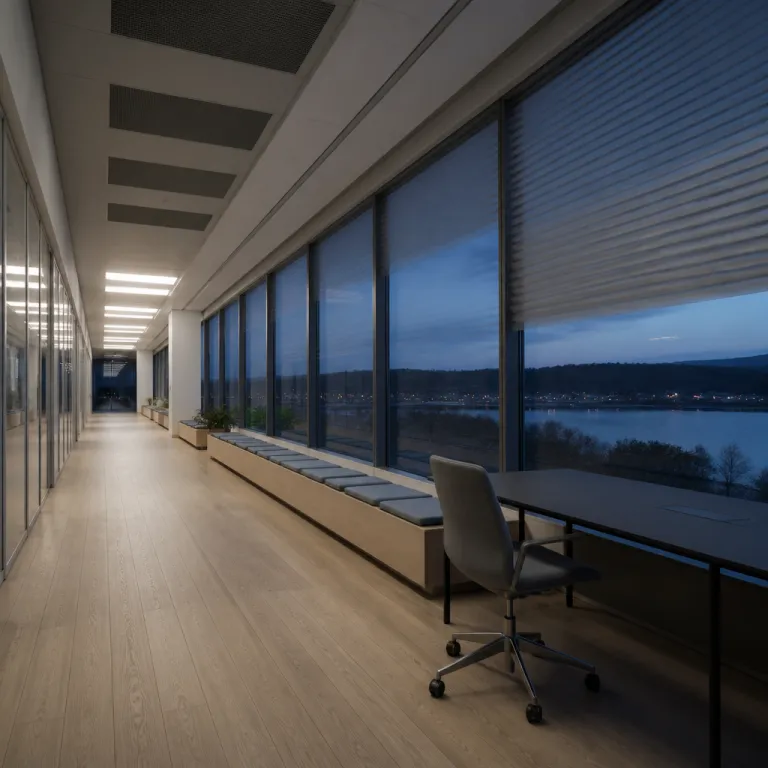
When work turns into night: how darkness and depression shape your days
Work can quietly become a place where darkness and depression settle. When workload, stress, and poor behavioral health support collide, people begin to feel their energy and motivation draining away. Over time, these pressures can trigger diagnosable mood disorders rather than just a passing low mood.
Clinically, depression is a mental health disorder that affects thinking, sleep patterns, appetite, and the ability to function at work. In workplaces with long hours, low light, and constant stress, the risk of major depression and other affective disorders rises significantly for employees. Managers often underestimate how quickly a mood disorder can shift from mild to major depressive levels when no structured treatment programs or health treatment options are available.
Many people describe this experience as working in permanent darkness, even when the office lights are on. That sense of inner darkness can be intensified by light deprivation in windowless offices, long winter shifts, and irregular sleep patterns that disrupt the body clock. Without timely help and appropriate treatment, this combination can evolve into seasonal affective disorder or even a chronic affective disorder that undermines both career and long term health.
Seasonal affective patterns, winter work, and the weight of low light
For some employees, darkness and depression arrive with the first late afternoon commute in winter. Seasonal changes in light levels can trigger seasonal affective patterns, especially for people who already live with depression or bipolar disorder. When demanding jobs remove daylight breaks, the risk of seasonal affective disorder and related mental health disorders increases sharply.
Seasonal affective depression is more than a dislike of winter; it is a specific affective disorder linked to reduced light exposure and disrupted sleep patterns. Research on seasonal affective disorder shows that light deprivation affects serotonin and melatonin levels, which regulate mood, energy, and the ability to feel pleasure. In open plan offices without windows, young adults and older workers alike can experience seasonal affective disorder symptoms that worsen existing mental illness or major depressive episodes.
Employers can respond with practical mental health support rather than waiting for a crisis lifeline call. Flexible hours that allow people to seek morning light, access to evidence based treatment programs, and accommodations for neurodivergent employees can significantly reduce winter related stress. For detailed guidance on burnout and accommodations that actually reduce turnover, many HR teams now study independent analyses of neurodivergent employees and burnout accommodations that focus on measurable reductions in attrition.
From stress to major depression: when workload becomes a health risk
Chronic workplace stress is one of the clearest pathways from temporary sadness to major depression. When people face unrealistic deadlines, constant digital interruptions, and no control over their schedule, they often feel trapped in a tunnel of darkness and depression. Over months, this pressure can transform into a diagnosable mental health disorder that requires structured treatment rather than simple time off.
Behavioral health specialists describe how repeated stress without recovery changes both brain chemistry and behavior. Employees may begin to rely on drug use or substance abuse to sleep, wake, or cope, which further destabilizes mood and increases the risk of suicide crisis events. In some cases, untreated bipolar disorder or major depressive disorder is first recognized only after a workplace breakdown or a call to a suicide crisis lifeline.
Organizations that track mental health data see clear patterns in absenteeism, performance, and health treatment claims. When HR teams ignore these data, they often face rising mental health leave, higher turnover, and more complex treatment programs for staff. In contrast, case studies of large employers that introduced comprehensive mental health strategies—combining manager training, rapid access to counseling, and flexible scheduling—have reported reductions in depression-related absenteeism of around 20 to 30 percent within two years, alongside lower long term disability costs.
Evidence based treatment, light, and recovery pathways that respect work life balance
Effective treatment for darkness and depression at work must combine clinical care with realistic adjustments to workload and schedule. For many people, the most successful health treatment plans blend psychological therapy, appropriate drug treatment when indicated, and structured changes to sleep patterns and daily light exposure. This integrated approach respects both mental health needs and the practical realities of employment.
For seasonal affective depression and other light related disorders, clinicians often recommend bright light therapy alongside talking therapies. Light based treatment programs aim to correct light deprivation by exposing people to specific light levels at set times, which can stabilise mood and reduce major depressive symptoms. When employers allow flexible start times or quiet spaces for these sessions, recovery becomes more compatible with professional responsibilities and long term career goals.
People living with bipolar disorder, major depression, or other mental illness often need coordinated behavioral health support that extends beyond a single program. This may include relapse prevention plans, regular monitoring of treatment data, and clear crisis lifeline information in case of suicide crisis warning signs. Employees who feel supported in this way are more likely to engage with recovery, maintain healthier sleep patterns, and sustain a balanced work life rhythm rather than cycling back into darkness.
Practical strategies for employees: navigating darkness and depression in daily work
Workers facing darkness and depression need concrete steps, not vague encouragement. The first priority is to recognise when stress and low mood have shifted into a possible disorder, especially if concentration, sleep patterns, or appetite have changed for several weeks. At that point, seeking professional help through a general practitioner, behavioral health specialist, or employer assistance program becomes essential.
Simple environmental changes can support formal treatment and improve daily functioning. Whenever possible, arrange your workspace to maximise natural light, take short outdoor breaks even in winter, and maintain consistent sleep patterns that respect your body clock. These adjustments can reduce the impact of light deprivation, especially for people prone to seasonal affective symptoms or seasonal affective disorder episodes.
Work life balance practices also play a direct role in mental health recovery. Setting clear boundaries around working hours, limiting after hours email, and using leave for health treatment appointments can prevent stress from escalating into major depressive or affective disorder states. For a broader framework on aligning career demands with psychological wellbeing, many people draw on practical guides to being content at work and in life through mindful balance to complement clinical care.
What employers and institutions must change to reduce workplace depression
Organizations hold significant power to reduce darkness and depression among their staff. A serious approach begins with acknowledging depression and other mental disorders as health conditions that deserve the same attention as physical injuries. This means integrating mental health into safety policies, leadership training, and routine reporting of health data and outcomes.
Effective employer led treatment programs rarely rely on a single workshop or awareness day. Instead, they combine manager education on recognizing affective disorder signs, confidential referral pathways to behavioral health services, and clear information about external supports such as national crisis lifeline numbers. When employees know that suicide crisis resources, substance abuse treatment, and mental health services are accessible without stigma, they are more likely to seek help early.
Public institutions also play a crucial role by maintaining accurate information on each gov website related to mental health treatment and workplace rights. These sites often provide data on depression prevalence, guidance on reasonable adjustments, and links to evidence based treatment programs for major depression, bipolar disorder, and other mental illness. Employers who align their internal policies with this guidance create safer environments where people can speak openly about darkness, depression, and recovery without fear.
Understanding complex diagnoses: from major depressive episodes to bipolar disorder
Not all experiences of darkness and depression at work are the same. Some people live with recurrent major depressive episodes, while others manage bipolar disorder, seasonal affective depression, or mixed anxiety and mood disorders. Each disorder requires tailored treatment, and mislabelling symptoms can delay effective help and prolong suffering.
Major depressive disorder typically involves persistent low mood, loss of interest, and changes in sleep patterns or appetite that last for weeks. Bipolar disorder, by contrast, includes both depressive episodes and periods of elevated or irritable mood, which can be mistaken for high performance in demanding workplaces. Without careful assessment of mood, energy levels, and behavioral changes over time, managers may misinterpret warning signs as dedication rather than indicators of a serious mental illness.
Clinicians rely on structured interviews, validated questionnaires, and published research with Digital Object Identifier (DOI) references to distinguish between these disorders. Employees do not need to understand every technical detail to benefit from evidence based treatment, but they do need access to trustworthy information. What matters most is that people feel heard, receive accurate diagnoses, and gain access to long term health treatment plans that respect both their professional goals and their need to step out of darkness.
Key statistics on darkness, depression, and work life balance
- According to the World Health Organization, depression affects an estimated 280 million people globally, and many of these individuals are of working age, which means workplaces are central to both risk and recovery (World Health Organization, 2021, based on data from the World Mental Health Report).
- Studies on seasonal affective disorder suggest that around 3 to 6 percent of people in temperate climates experience full seasonal depression, while up to 15 percent report milder seasonal affective symptoms that still impact productivity and work attendance (Rosenthal et al., 1984, Archives of General Psychiatry).
- Research from the International Labour Organization indicates that mental health conditions, including major depression and anxiety disorders, cost the global economy hundreds of billions of dollars annually through lost productivity, absenteeism, and health treatment expenses (International Labour Organization, 2022, global estimates on mental health and work).
- Large scale surveys in Europe and North America show that employees with access to comprehensive behavioral health programs are significantly more likely to seek early treatment, reducing long term disability claims related to major depressive and affective disorders (Harvey et al., 2017, The Lancet Psychiatry).
- Data from national suicide prevention agencies consistently highlight that timely access to a crisis lifeline and workplace support can reduce suicide crisis outcomes, especially for young adults facing intense job stress and untreated mental illness (World Health Organization, 2014, global report on suicide prevention).
FAQ: darkness and depression in the workplace
How can I tell whether my low mood is normal stress or clinical depression ?
Normal stress usually fluctuates with workload and improves when you rest, while clinical depression often persists for at least two weeks and affects sleep patterns, appetite, concentration, and your ability to feel pleasure. If you notice these changes, especially alongside feelings of worthlessness or thoughts of self harm, you should seek professional mental health assessment. Early treatment can prevent symptoms from progressing into major depressive or other affective disorders.
Can lack of light at work really cause seasonal affective depression ?
Reduced exposure to natural light, especially during winter, can contribute to seasonal affective depression in vulnerable people. Light deprivation disrupts the body clock and alters hormone levels that regulate mood and energy, which is why some employees feel worse in windowless offices. Bright light therapy and increased daylight breaks are evidence based strategies that can help reduce seasonal affective symptoms.
What should I do if I feel close to a suicide crisis because of work stress ?
If you feel at risk of harming yourself, contact a crisis lifeline or emergency services immediately, even if you believe work is the main cause. After the immediate suicide crisis has passed, speak with a mental health professional about depression, bipolar disorder, or other possible disorders, and consider involving your employer or HR in planning adjustments. No job is worth your life, and timely treatment programs can support both safety and long term recovery.
How can employers support staff with major depression or bipolar disorder ?
Employers can support staff by offering confidential access to behavioral health services, flexible scheduling for treatment appointments, and reasonable adjustments to workload or environment. Training managers to recognise signs of mental illness, including major depressive and bipolar disorder symptoms, helps them respond with empathy rather than punishment. Clear policies, accurate information from each relevant gov website, and visible crisis lifeline details all contribute to a safer culture.
Are drug treatments always necessary for workplace related depression ?
Drug treatments are not always required, but they can be highly effective for moderate to severe depression, bipolar disorder, and some anxiety related disorders. Many people benefit from a combination of psychological therapy, lifestyle changes such as improved sleep patterns and light exposure, and medication when clinically indicated. Decisions about treatment should always be made with a qualified health professional who can review your history, current stress levels, and long term goals.
