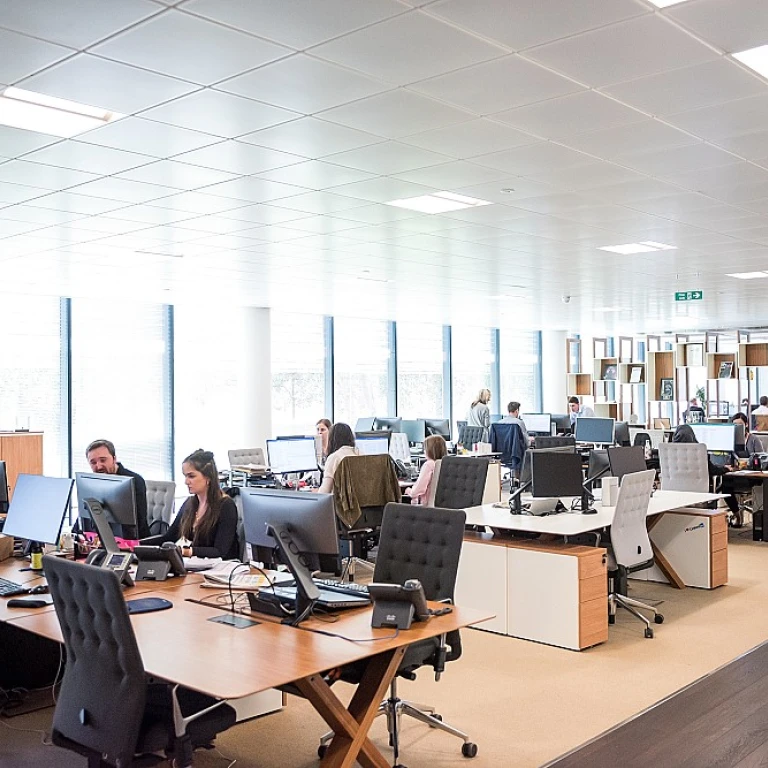
Understanding the role of HR in work-life balance
Why Human Resource Teams Matter in Achieving Balance
Human resource teams play a vital role in shaping a healthy work culture where employees feel valued and supported. HR is not just about hiring and payroll. It’s about creating an environment where work and personal life can coexist in harmony. When HR leads the way, employees are more likely to experience good work life balance, improved mental health, and higher engagement.
Building a Supportive Workplace Culture
HR professionals help set the tone for the entire workplace. They develop policies and practices that encourage flexible work arrangements, reasonable working hours, and respect for personal lives. By promoting open communication and offering support, HR can help employees manage stress and maintain a healthy work personal balance. This support love from HR can make a real difference in how employees feel about their work and their team.
Key HR Responsibilities for Balance
- Designing flexible work policies, such as remote work or adjusted work hours
- Providing resources for time management and stress management
- Encouraging employee engagement through wellness programs
- Supporting mental health initiatives and access to counseling
- Ensuring fair management of workloads and expectations
Connecting Work and Personal Life
When HR teams focus on both work and life aspects, employees can better manage their responsibilities at work and at home. This approach leads to healthier employees, stronger teams, and a more productive workplace. For those interested in seeing how organizations are putting these ideas into practice, check out career opportunities at Valparaiso Community Schools for real-world examples of supportive HR-led cultures.
Common challenges employees face with work-life balance
Everyday Obstacles to Achieving Balance
Many employees find it difficult to maintain a healthy work-life balance. The pressure to meet deadlines, long working hours, and the expectation to be available outside of work hours can blur the lines between professional and personal lives. This often leads to increased stress, reduced employee engagement, and negative impacts on both mental health and physical well-being.
Key Factors Affecting Balance
- Heavy Workloads: When the volume of work exceeds reasonable limits, employees struggle to manage their time effectively. This can make it hard to prioritize personal life and self-care.
- Lack of Flexible Work Options: Rigid schedules and limited remote work opportunities can prevent employees from adapting their work hours to fit their personal needs.
- Poor Time Management: Without proper support or training in time management, employees may find it challenging to balance work and personal commitments.
- Unclear Boundaries: The rise of digital communication tools has made it easier for work to spill into personal time, making it difficult for employees to disconnect.
- Workplace Culture: A culture that values long hours over results can discourage employees from taking breaks or using their time off, affecting their overall health and engagement.
Impact on Employees and Organizations
When employees feel overwhelmed by these challenges, their productivity, motivation, and job satisfaction can decline. This not only affects individual health but also impacts the team and the broader workplace culture. Human resource professionals play a crucial role in identifying these issues and providing support to help employees achieve a better balance between work and personal life.
For those interested in how innovative career paths can influence work-life balance, you may find insights in this article on the benefits of a quantum programming career for software developers.
Types of HR-led work-life balance activities
Popular HR Initiatives That Foster Balance
Human resource teams play a vital role in shaping a healthy work culture. By offering targeted activities, HR can help employees manage stress, improve time management, and maintain a good work life balance. These initiatives are designed to support both personal and professional well-being, ensuring employees feel valued and engaged at work.
- Flexible Work Arrangements: Adjusting working hours or providing remote work options helps employees balance work and personal lives. Flexible work schedules can reduce stress and improve mental health, especially for those with family or caregiving responsibilities.
- Wellness Programs: Activities such as yoga sessions, mindfulness workshops, and health screenings promote physical and mental health. These programs encourage employees to prioritize their well-being during work hours.
- Time Management Workshops: Training sessions on effective time management help employees handle workloads more efficiently. This support can lead to better work personal balance and reduce overtime.
- Employee Assistance Programs (EAPs): Confidential counseling and support services are available to help employees manage personal or work-related challenges. EAPs can address issues like stress, anxiety, or family concerns, supporting healthy work and life balance.
- Team-Building Activities: Social events, volunteer opportunities, or team challenges foster employee engagement and create a sense of support love within the workplace. These activities help employees feel connected and appreciated.
- Encouraging Breaks and Downtime: HR can promote a culture where taking regular breaks is normalized. This helps employees recharge and maintain productivity throughout the day.
For more on how colleagues contribute to a healthy work-life balance, explore this insightful article on the role of exceptional colleagues.
By offering a variety of HR-led activities, organizations can help employees balance work and personal life, improve employee engagement, and build a supportive workplace culture. These efforts not only benefit employees but also contribute to the overall success and health of the team.
How to tailor activities to your team’s needs
Adapting Activities for Unique Team Dynamics
Every workplace has its own culture, and each team is made up of individuals with different needs and preferences. For human resource professionals, understanding these differences is key to creating effective work-life balance activities. A one-size-fits-all approach rarely works well. Instead, HR should focus on tailoring initiatives that support both the personal and professional lives of employees.
Steps to Personalize Work-Life Balance Initiatives
- Assess Team Needs: Start by gathering feedback from employees. Anonymous surveys, focus groups, or informal check-ins can reveal what employees feel is missing in their work life balance. This helps HR understand stress points, desired support, and preferred types of activities.
- Consider Working Hours: Some teams may benefit from flexible work hours or remote work options, while others might need more structured time management support. Adapting to the team’s workflow can help employees balance work and personal commitments more effectively.
- Recognize Life Stages: Employees at different stages of life may have varying needs. For example, parents might value childcare support, while others may prioritize mental health resources or opportunities for personal growth.
- Promote Inclusivity: Ensure that activities are accessible and relevant to all employees. This means considering cultural backgrounds, health needs, and personal interests when designing programs.
- Encourage Employee Input: Invite employees to suggest or even lead activities. This not only boosts engagement but also helps create a sense of ownership and support within the team.
Examples of Tailored Activities
| Team Need | HR-Led Activity | Potential Benefit |
|---|---|---|
| Flexible work hours | Implement staggered start times or compressed work weeks | Improves time management and reduces stress |
| Mental health support | Offer mindfulness workshops or access to counseling | Boosts employee well-being and engagement |
| Team connection | Organize regular team-building events or wellness challenges | Strengthens workplace culture and support |
| Work-life boundaries | Encourage "no after-hours email" policies | Helps employees maintain a healthy work and personal life balance |
By listening to employees and adapting activities to their needs, HR can help employees feel valued and supported. This approach not only improves work-life balance but also fosters a culture of trust, engagement, and good work in the workplace.
Measuring the impact of work-life balance initiatives
Key Metrics for Assessing Work-Life Balance Initiatives
Measuring the impact of HR-led work-life balance activities is essential for understanding their effectiveness and making improvements. When human resource teams introduce new programs to help employees manage their work and personal lives, it is important to track both qualitative and quantitative data.- Employee engagement surveys: Regular surveys can reveal how employees feel about their work hours, stress levels, and the support they receive. High engagement often signals a healthy work culture and good work-life balance.
- Absenteeism and turnover rates: A reduction in absenteeism and staff turnover may indicate that employees feel more supported and less stressed, thanks to flexible work arrangements or time management workshops.
- Utilization rates: Track how many employees participate in HR-led activities, such as wellness programs or flexible work schedules. High participation suggests that these initiatives align with employees’ needs.
- Feedback and focus groups: Direct feedback from employees provides valuable insights into how activities impact their mental health, work hours, and personal lives. This helps HR teams adjust programs for better results.
- Productivity and performance metrics: Monitoring changes in productivity can help determine if improved work-life balance leads to better time management and overall performance.
Best Practices for Ongoing Evaluation
To ensure that work-life balance initiatives continue to support employees well, HR should:- Regularly review data and feedback to identify trends and areas for improvement.
- Communicate results transparently with the team to build trust and encourage participation.
- Adjust activities based on what works best for different groups, recognizing that flexible work and support needs vary across the workplace.
Real-world examples of successful HR-led work-life balance activities
Case Studies: HR Initiatives That Made a Difference
Across various industries, human resource teams have implemented creative strategies to help employees achieve a healthier work-life balance. These real-world examples highlight how targeted activities can support employee engagement, reduce stress, and foster a positive workplace culture.- Flexible Work Arrangements in Tech: A global technology company introduced flexible work hours and remote work options. This allowed employees to better manage their personal lives and work commitments. The result was a noticeable improvement in employee satisfaction and a reduction in reported stress levels. The company also saw a boost in productivity, as employees felt trusted to manage their own time.
- Wellness Programs in Healthcare: A large hospital system launched a comprehensive wellness program, including on-site fitness classes, mental health support, and time management workshops. Employees reported feeling more supported in balancing their demanding work hours with personal health needs. This initiative led to lower absenteeism and higher employee engagement scores.
- Family Support in Retail: A national retailer provided on-site childcare and flexible scheduling for working parents. This helped employees feel more secure about their personal responsibilities while at work. The company found that these benefits improved retention rates and created a culture where employees felt valued beyond their work output.
- Time-Off Policies in Finance: A financial services firm revamped its paid time off policies, encouraging employees to take regular breaks and fully disconnect during vacations. Management actively promoted a culture where taking time for personal life was respected. Employees reported improved mental health and a stronger sense of balance between work and personal commitments.
Lessons Learned from Successful Programs
These examples show that HR-led activities can have a significant impact when they are tailored to the unique needs of employees. Key takeaways include:- Listening to employees is crucial for designing effective work-life balance initiatives.
- Flexible work options and support for personal lives help employees feel more engaged and reduce stress.
- Investing in mental health and wellness programs benefits both employees and the organization’s culture.
- Clear communication from management about the importance of balance encourages employees to make use of these programs.
